
Service
Fire Alarm Systems in Los Angeles
Use this connected page to move from guide intent into the next step of the project path.
Open page
Use it to understand the major system pieces, the importance of maintenance and the planning questions that matter before you move into the service path.
Fire safety is not a single device. It is a coordinated path that may include smoke or heat detection from manufacturers like System Sensor and Qolsys, manual initiation, audible and visual notification, monitoring through platforms such as Ring and Honeywell, and sometimes other building systems that need to respond during an event.
| Component | What it does | Where it often matters |
|---|---|---|
| Smoke detection | Detects smoke particles early so people can respond before conditions worsen. | General occupied areas, corridors, sleeping areas and many commercial interiors. |
| Heat detection | Responds to temperature rise where smoke detectors may false-alarm too easily. | Kitchens, utility spaces and select environmental conditions. |
| Manual pull stations | Lets occupants activate the alarm path when they discover a fire or emergency condition. | Common egress points and commercial life-safety layouts. |
| Audible / visual notification | Communicates the event clearly to occupants so evacuation or response can begin. | Occupancies where spoken clarity, audibility and visibility affect safety. |
A fire-safety plan only works if the equipment remains functional and the property team understands how the system should be maintained. Extinguishers, batteries, inspections, testing intervals and documented follow-through all matter.
The right fire-safety approach depends on occupancy, layout, use conditions and the way the building is managed. Residential homes, multifamily properties and commercial facilities rarely need the exact same path even when they share similar devices.
Planning note: local requirements, approval paths and maintenance expectations vary by project type. Use this guide as a primer, then verify the exact design and compliance path for the property.
Not exactly. They are related components, but they serve different roles inside the overall fire-safety path.
No. Extinguishers help with immediate response, while alarms and notification help occupants react and evacuate safely.
Because a poorly maintained device can fail at the exact moment it is needed most.
Usually not. Monitoring, low-voltage infrastructure and operational workflows often overlap with the fire-safety conversation.
If this guide clarified the basics but not the final scope, the next best move is to connect the property type, the life-safety goals and the monitoring path in one conversation.
These connected pages help translate a general fire-safety question into the commercial service, monitoring or low-voltage route that fits the property.


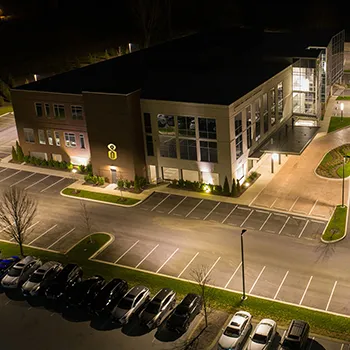
Los Angeles requires NFPA 72-compliant fire alarm systems for most commercial buildings. Residential fire alarm requirements vary by occupancy type. Innov8av installs code-compliant systems for all property types.
Commercial fire alarm systems in Los Angeles typically cost $3,000-$30,000+ depending on building size, detector count and panel complexity. Innov8av provides free estimates for all projects.
Yes. Fire alarm installations in Los Angeles require permits from the LA Fire Department or local authority. Innov8av handles all permit applications as part of the installation process.
Yes. Modern fire alarm systems can integrate with CCTV, access control and monitoring platforms. Innov8av designs unified life-safety and security systems for LA properties.
For fire safety systems projects in Los Angeles, Innov8av installs System Sensor for smoke and heat detection devices, Honeywell for fire alarm control panels and notification and Control4 for unified automation orchestration.
As a licensed California contractor, We carry a C-10 contractor license, are bonded, and maintain both liability and workers' comp insurance. For fire safety systems in Los Angeles, as an authorized system sensor and honeywell dealer, we specialize in fire safety systems projects. Insurance certificates can be provided before any Los Angeles project begins.
Innov8av schedules complimentary consultations for all Los Angeles fire safety systems inquiries. During the visit we evaluate signal strength, switch closet space and bandwidth needs and deliver a written proposal within 48 hours.
Innov8av operates under a California C-10 Electrical Contractor license (CSLB #1043428). Our C-10 license, bonding and insurance documentation is available upon request. For fire safety systems in Los Angeles, as an authorized system sensor and honeywell dealer, we specialize in fire safety systems projects. We handle all permits and inspections for Los Angeles projects.
Innov8av's Los Angeles fire safety systems projects typically feature System Sensor, Honeywell and Control4 — all from authorized channels.