Permit & code planning

Access Control Code & Permit Planning in Los Angeles

As an active C-7 license holder, We maintain a current C-7 license, a $2 million liability policy and complete workers' compensation coverage. For access control in Los Angeles, as an authorized control4 and lutron dealer, we specialize in access control projects. Over 200 completed projects across the Los Angeles area since 2016.

Updated March 26, 2026 7 min read Los Angeles permit planning
Home Learning Center Access Control Code & Permit Planning in Los Angeles
Opening conditions come first Door construction, hardware condition, frame type and fire rating often determine which electrified options are practical.
Life-safety changes the path Egress, ADA and release behavior can affect both the design strategy and the approval sequence for the project.
Coordination is part of scope Intercoms, fire alarm, visitor workflow, power and cabling decisions can shift labor, hardware and testing requirements.
Where this page fits

Use this page to pressure-test access-control scope before budget and hardware decisions harden

Not every project follows the same permit path, but code review should happen early enough to influence the design. The goal is simple: reduce late surprises by understanding the real openings, life-safety conditions and system relationships before the proposal becomes expensive to unwind.

Review the real openings Do not assume every door can accept the same lock, release path or reader hardware.
Map the approval questions Jurisdiction, occupancy and life-safety conditions can change the review sequence and documentation needs.
Coordinate connected systems Visitor entry, intercom, fire-alarm release, cabling and power should be considered while scope is still flexible.
Why it matters

One opening can change the entire project path

Permit planning for access control is rarely a software discussion first. The turning point is usually the opening itself: the condition of the door, the frame, the existing hardware, the release behavior, the egress path and whether another system has to be coordinated around it. Once that reality changes, the design, labor assumptions and approval path often change with it.

That is why this page exists inside the Learning Center rather than inside a generic sales pitch. It is meant to help buyers, facility teams and project stakeholders ask the right questions before hardware is committed and before the first proposal gets mistaken for a final technical answer.

Life-safety review Egress and release behavior should be understood before an opening is priced like a standard door.
Cross-trade coordination Some openings only work once access control, intercom, fire alarm and cabling assumptions are aligned.
Budget clarity Real opening conditions produce more accurate labor, hardware and testing expectations.
Opening review

What should be checked before hardware is chosen

The fastest way to keep a project clean is to review the actual door environment early. That does not mean overcomplicating every opening. It means learning enough about the openings to avoid forcing the wrong hardware path onto a door that cannot support it cleanly.

Door and frame condition

Opening condition influences which electrified hardware options are realistic and how invasive the installation may become.

Egress and use path

How people exit, how the opening is used and what occupancy conditions apply can reshape the recommended solution.

Fire-alarm relationship

Some doors need coordinated release or testing behavior with related life-safety systems, which adds scope and sequencing.

Visitor and reception workflow

If entry approval depends on communication, intercom and visitor management may need to be reviewed at the same time.
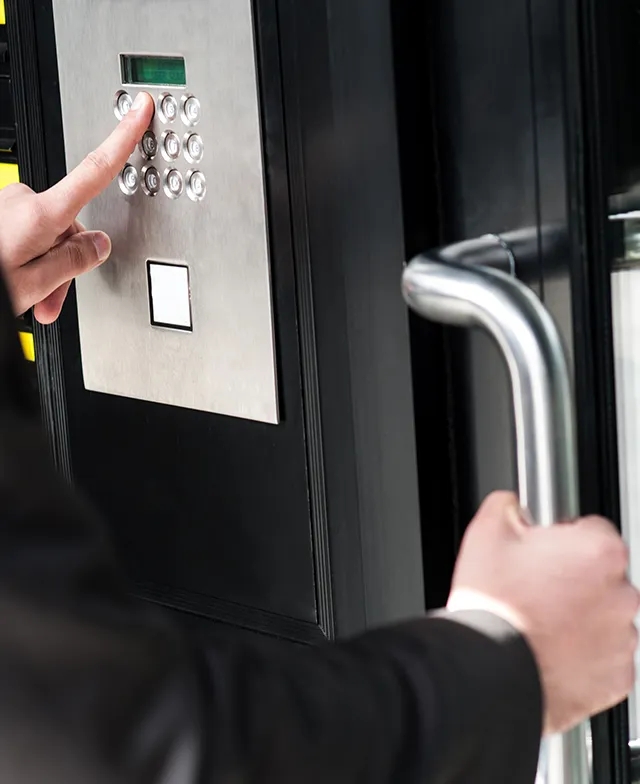
Access-control planning and opening coordination
Scope reality

Most access-control surprises are not hidden in the software. They are usually hidden in the opening, the release logic, the visitor workflow or the coordination path between trades.

Scope impact

Typical review areas and how they affect scope

These checkpoints do not replace project-specific code review. They simply show where scope tends to expand or change once the real field conditions are known.

Review area Why it matters Typical scope effect
Door, frame and existing hardware The opening may limit which electrified lock or release path is practical. Changes hardware, labor assumptions and sometimes the preferred access method.
Egress / ADA / life-safety path Use conditions can affect what is acceptable at the opening and how release should behave. May require different devices, revised sequencing or added review.
Fire-alarm interaction Some openings require coordinated release behavior or testing with related systems. Adds cross-trade coordination, commissioning and documentation needs.
Power, cabling and control path Hardware may depend on realistic pathways for power supplies, readers, request-to-exit devices and head-end equipment. Can change infrastructure labor, panel location and wiring strategy.
Visitor entry and intercom workflow If entry approval is conversational or remote, the software and hardware path should be reviewed together. Broadens the project beyond door control into user experience and reception flow.
Sequence

A planning sequence that reduces redesign and change orders

01 Survey the openings first

Start with the actual doors, gates and entry points instead of treating every opening like a generic line item.

02 Resolve code and release questions early

Clarify life-safety, egress and permit-path questions before hardware is treated as final.

03 Coordinate the systems that touch entry

Fold intercom, visitor workflow, cabling, power and testing into the same conversation while scope is still flexible.

Approval requirements can vary by occupancy, building conditions, scope and jurisdiction. Use this page as a planning framework rather than a substitute for project-specific review.

FAQ

Questions buyers ask before they move forward

No. The requirements can vary by occupancy, scope, life-safety conditions and jurisdiction.

Because a single opening with special hardware, egress constraints or fire-alarm interaction can affect labor, approvals and hardware choice.

Often yes, especially when visitor entry is part of the overall workflow and the entry decision is not purely credential-based.

As early as possible—before hardware is committed and before the budget is treated as final.
Next step

Review the openings before the scope hardens

If this page clarified the issue but not the full solution, the best next move is to connect the property, the service path and the opening-level realities in one conversation.

Door-by-door review Local permit context Budget clarity Scope alignment
Related resources

Keep moving through the same search cluster

These pages connect permit-planning intent to the surrounding service, industry, brand and cost paths so the user journey stays consistent.

Office access control
Industry

Office Access Control

Move from planning questions into day-to-day staff access, credential strategy and workplace entry flow.

Open page
Healthcare access control
Industry

Healthcare Access Control

See how more sensitive openings and more controlled operational zones can change priorities around the project path.

Open page
DoorBird installer in Los Angeles
Brand page

DoorBird Installer in Los Angeles

Continue into visitor-entry and intercom planning when communication is part of the access workflow.

Open page
Access control cost in Los Angeles
Cost

Access Control Cost in Los Angeles

Use the cost page once opening conditions, workflow requirements and coordination issues are better understood.

Open page

Frequently Asked Questions

Do all access-control projects need the same approval path?

No. The requirements can vary by occupancy, scope, life-safety conditions and jurisdiction.

Why does one door change the whole proposal?

Because a single opening with special hardware, egress constraints or fire-alarm interaction can affect labor, approvals and hardware choice.

Should intercom and access control be reviewed together?

Often yes, especially when visitor entry is part of the overall workflow.

When should code and permit planning happen?

As early as possible—before hardware is committed and before the budget is treated as final.

How much does access control systems cost in Los Angeles?

For Los Angeles properties, access control pricing runs $3,500 to $25,000 depending on complexity. Most residential installs finish within 1–3 business days.

What brands does Innov8av install for access control systems?

Control4, Lutron and Hikvision are the primary platforms Innov8av deploys for access control across Los Angeles properties.

How long does access control systems installation take in Los Angeles?

access control timelines in Los Angeles vary: 1–3 days for most homes, 5–10 days for multi-zone commercial or estate projects.

Is Innov8av licensed and insured for access control systems in Los Angeles?

Our licensing and insurance are current and verifiable. Licensed under California C-7, bonded and insured with general liability and workers' comp policies. For access control in Los Angeles, as an authorized control4 and lutron dealer, we specialize in access control projects. All Los Angeles installations meet local building codes and permit requirements.

Does Innov8av offer free estimates for access control systems in Los Angeles?

Every access control engagement in Los Angeles starts with a free property evaluation. Innov8av reviews building layout, conduit access and power availability and prepares a comprehensive installation plan.

Service Areas  |  All Services
Scroll